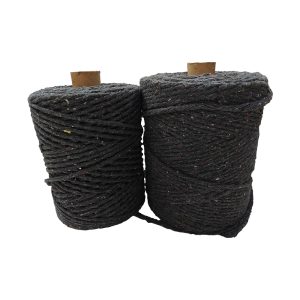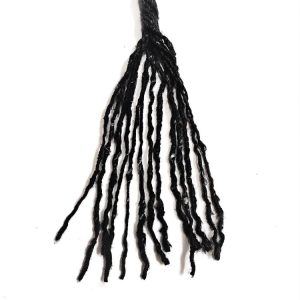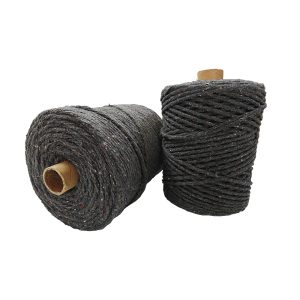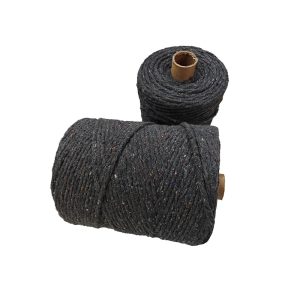
Concrete Pole Sealing Rope | Centrifugal Leak-Proof | Factory direct sales
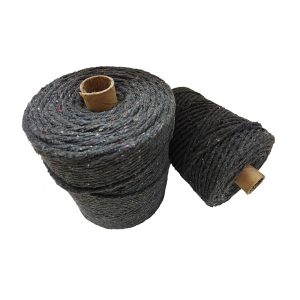
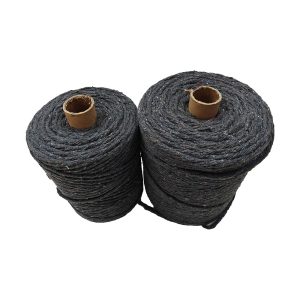
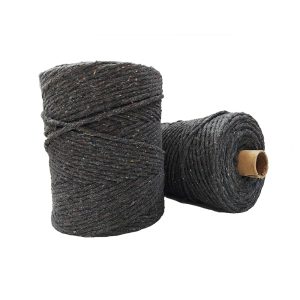
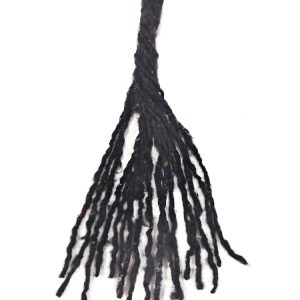
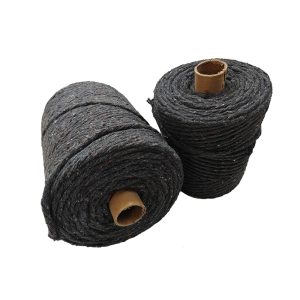
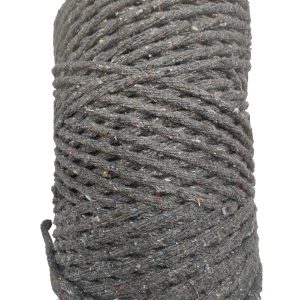
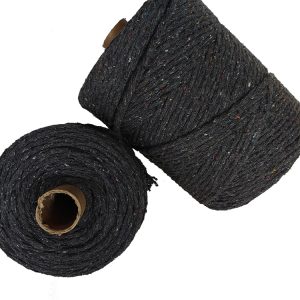
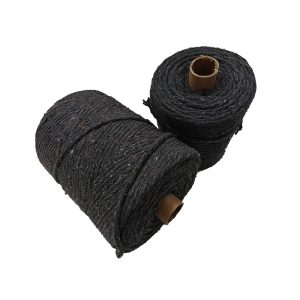
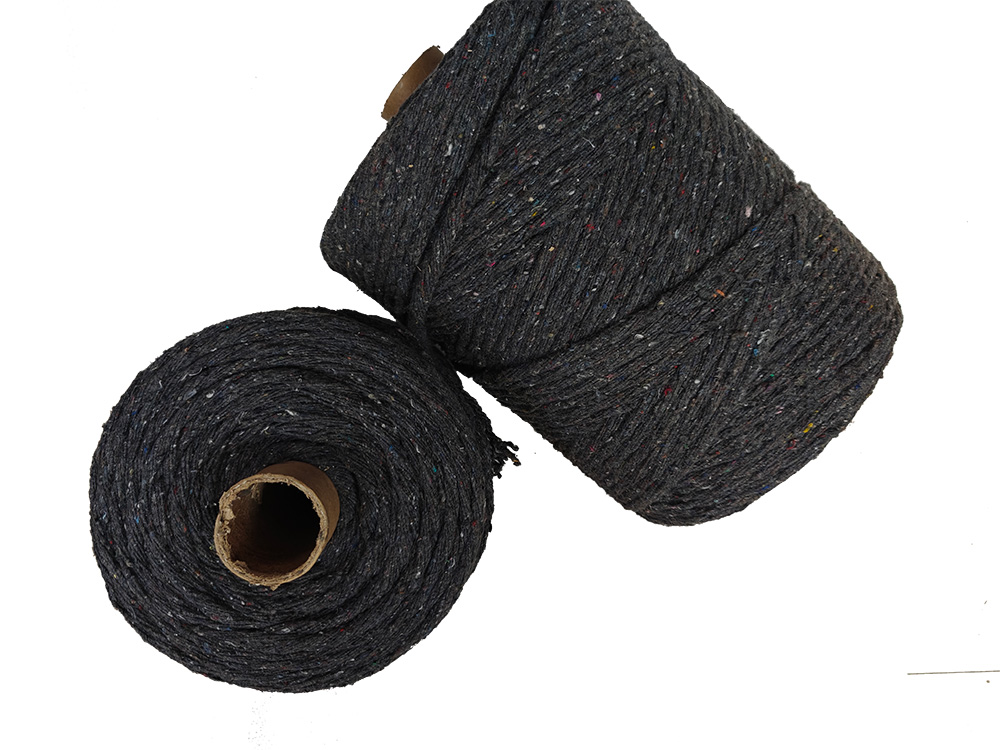
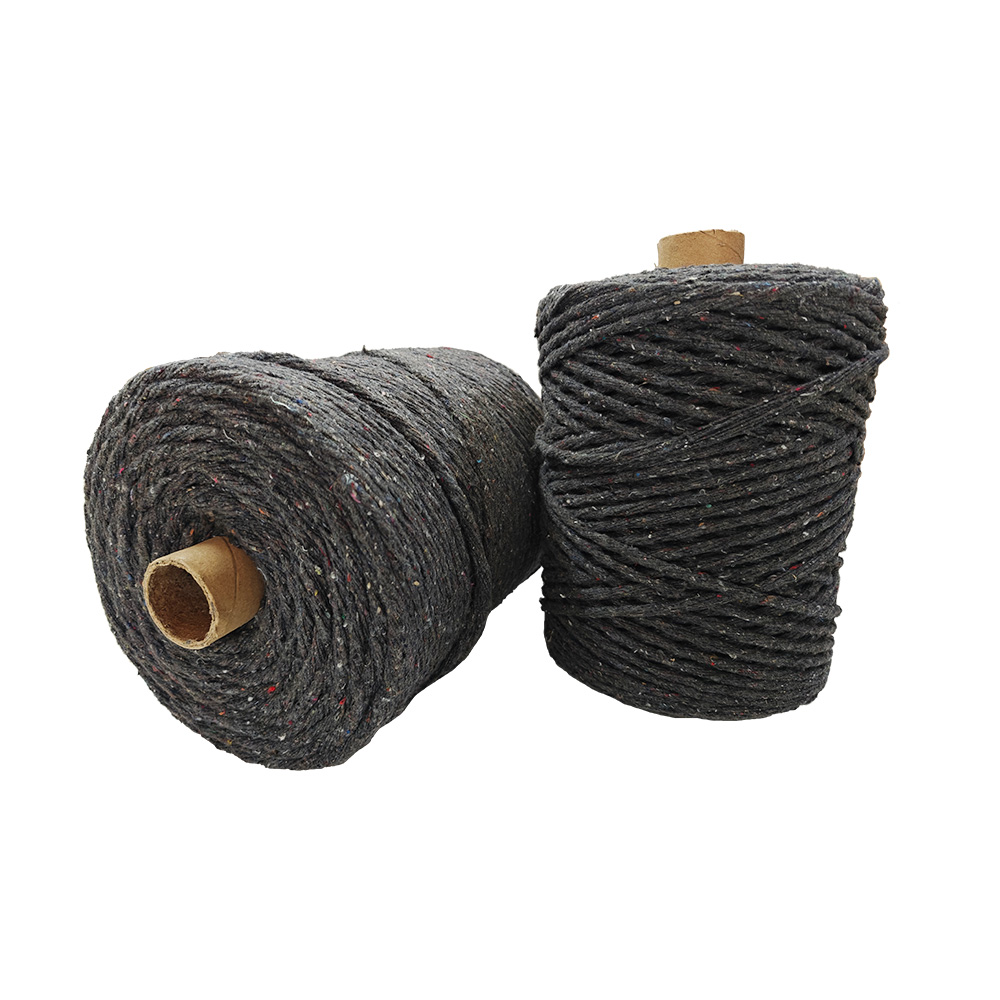
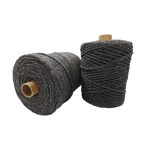
The Concrete Pole Sealing Rope is mainly used to prevent the mold from leaking slurry.
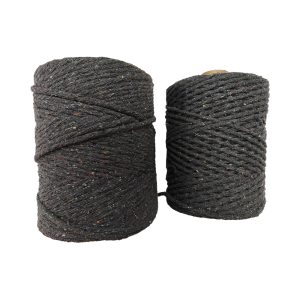
Spec: 6/8mm
Color: black
Material: cotton
Weight: 37~40kg/bundle
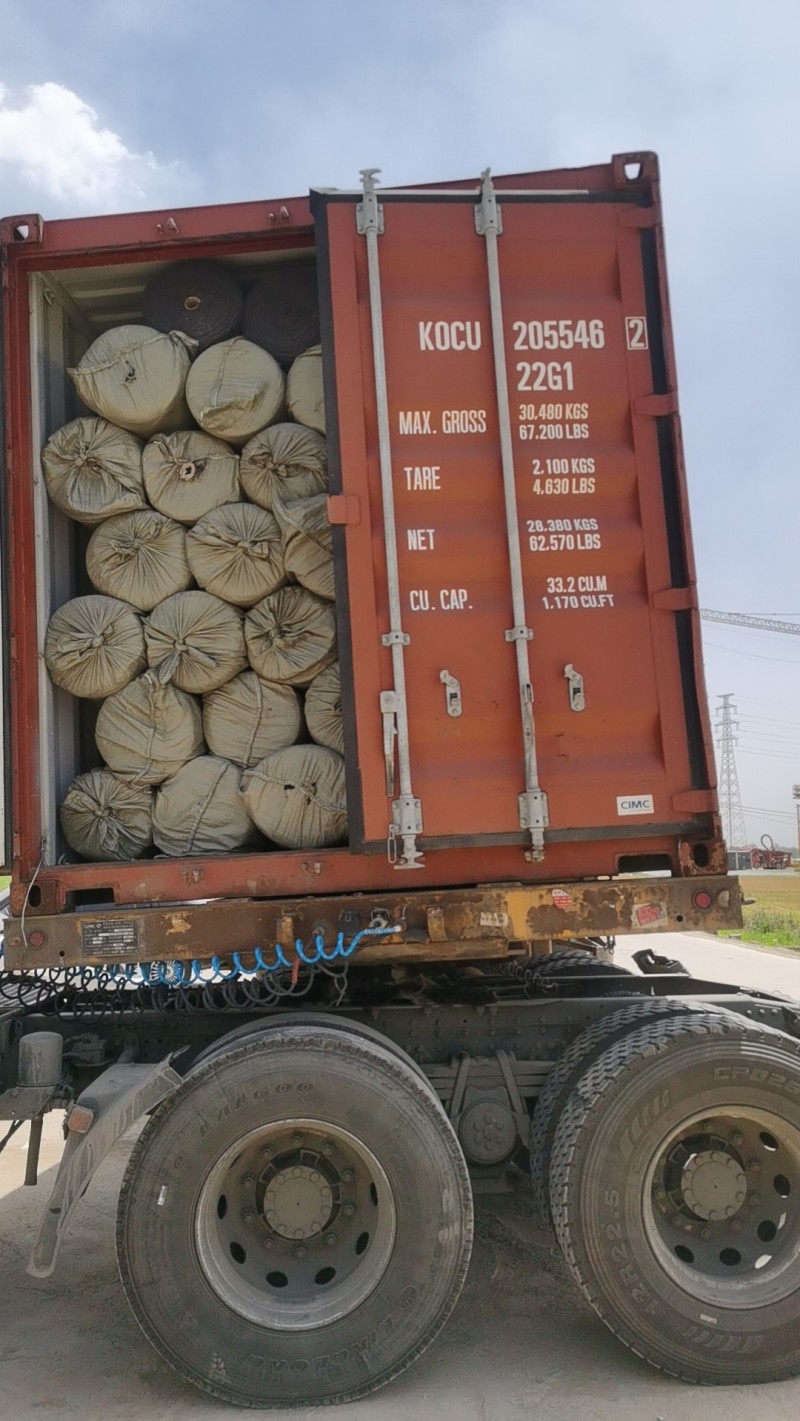
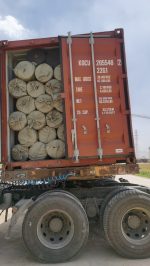
Packaging: waterproof packaging bag
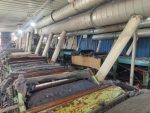
In cement utility pole production workshops, concrete pole sealing rope are primarily applied to mold joints. They serve to prevent both slurry splashing during centrifugation and grout leakage phenomena during the manufacturing process.
During installation, the sealing cotton rope must be tightly secured at both ends over the mold opening to prevent displacement during mold clamping.
Advantages of concrete pole sealing cotton rope:
Direct cost savings
Zero material wastage
Fracture-resistant performance
Enhanced production throughput
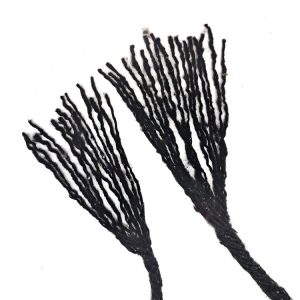
Uniform diameter consistency
100% grout leakage prevention
Non-degradable composition
Non-flammable
Secure mold joint fixation,Installation efficiency
Quality Differentiation Factors for sealing cotton rope:
lOptimal Diameter
(The primary determinant of slurry leakage. Functionally acceptable if leakage-free.)
lMoisture Content
(Higher moisture increases mass per unit volume, reducing manufacturer costs. Minimal impact on leakage.)
lDiameter Uniformity
lCotton Content
High-cotton ropes (e.g., denim fabric): Higher density → 20,000-30,000 meters per metric ton
Low-cotton ropes (e.g., suit fabric): Lower density → 40,000-50,000 meters per metric ton
(Both exhibit comparable leakage prevention performance. Cost differences derive solely from material pricing.)
lManufacturing Defects (Rare)
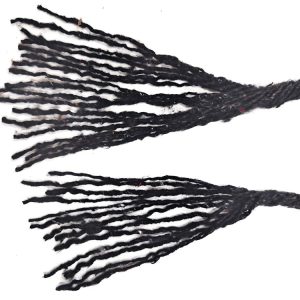
(Inconsistent strand count between proximal (thicker) and distal (thinner) sections may cause localized leakage. Rarely the root cause.)
Comparison between cotton rope and straw rope:
Choosing the right sealing material can effectively reduce slurry leakage. Currently, most pole factories use cotton ropes, while some pile factories use straw ropes and some use cotton ropes. Some pile factories believe that straw ropes are cheaper, but in fact, straw ropes are more expensive than cotton ropes because straw ropes are brittle, have low tensile strength, and are easily broken during use, resulting in waste of materials and work efficiency.