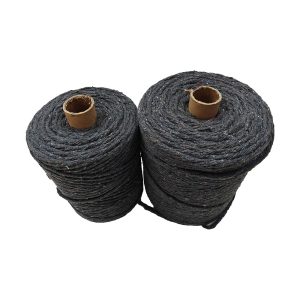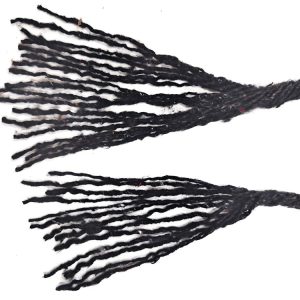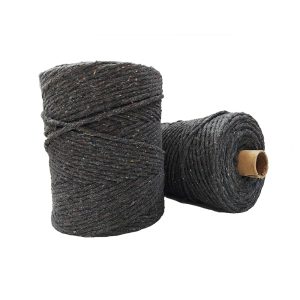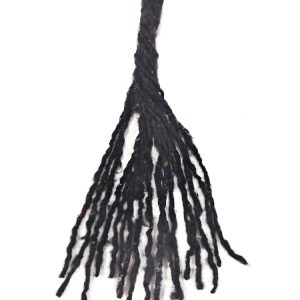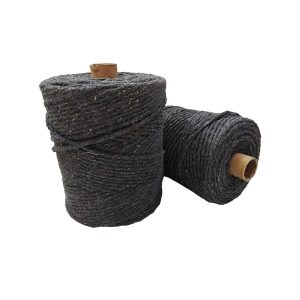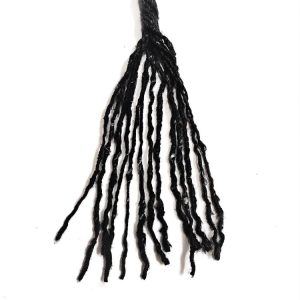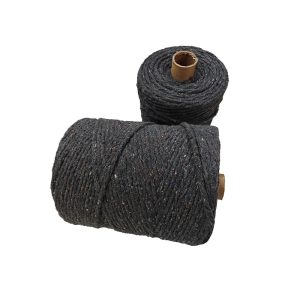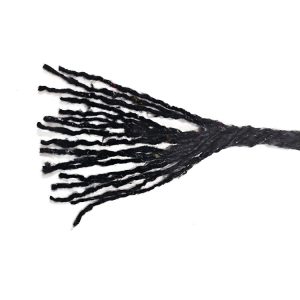
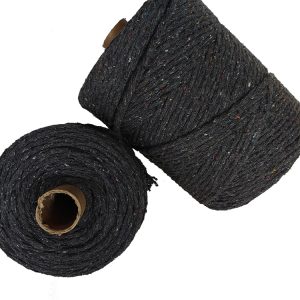
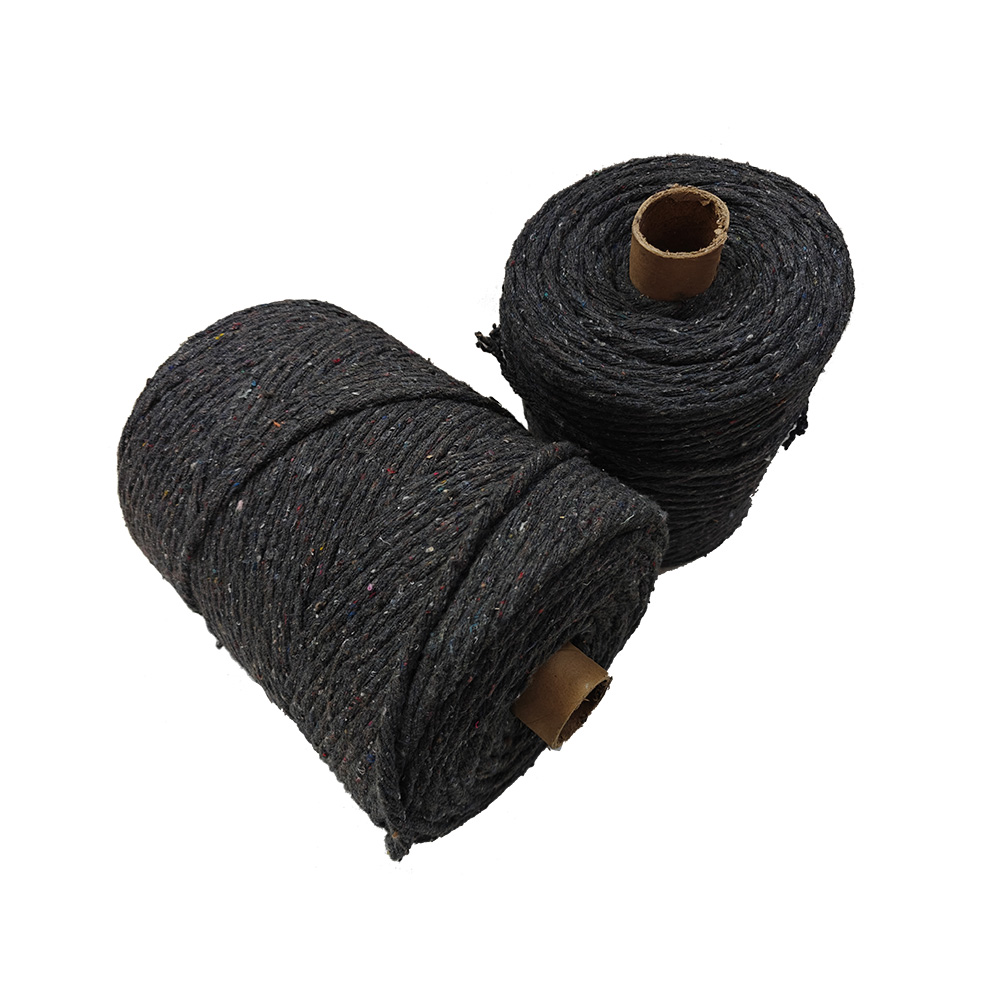
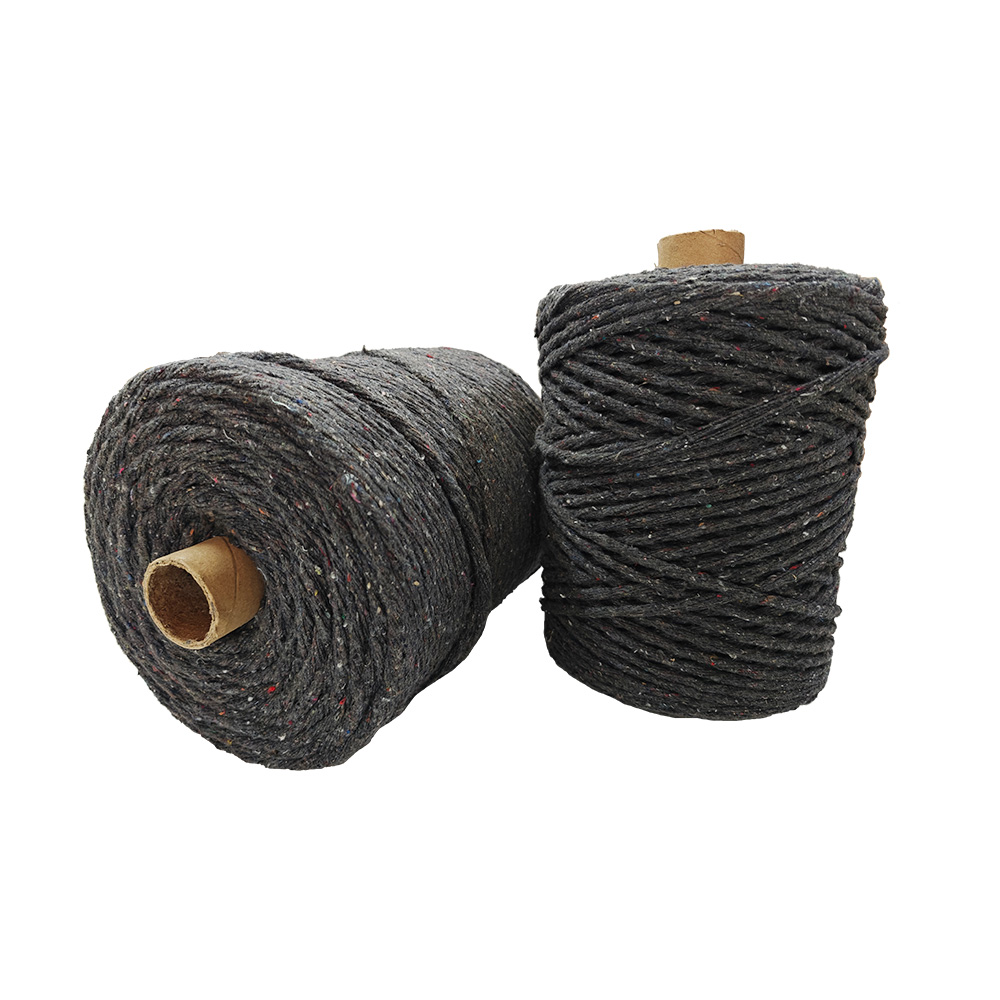
Centrifugal pipe pile anti-leakage rope | Industrial sealing rope supplier
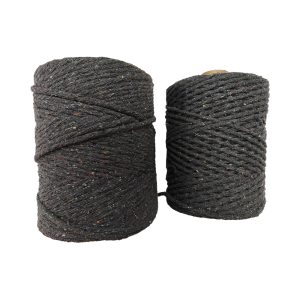
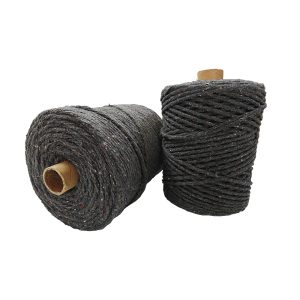
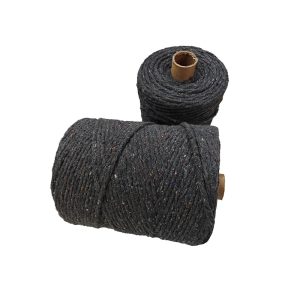
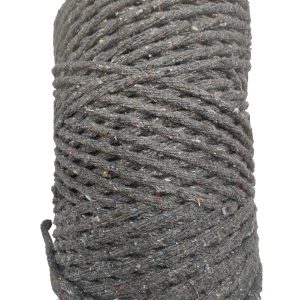
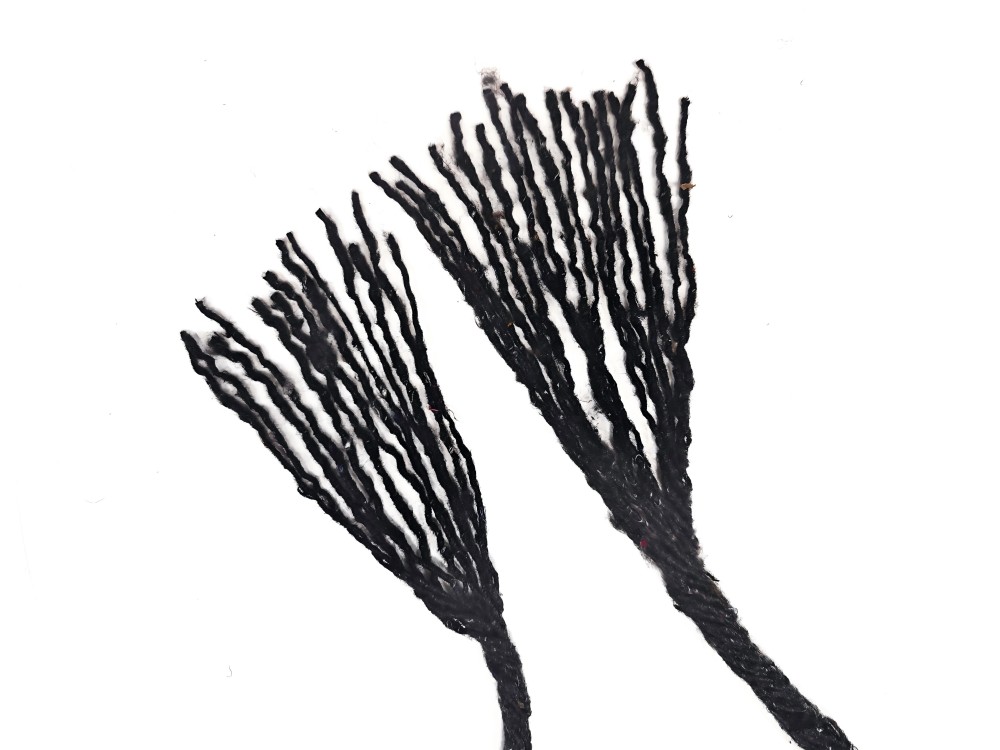
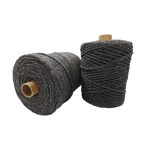
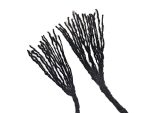
The Centrifugal pipe pile anti-leakage rope is mainly used to prevent the mold from leaking slurry.
Spec: 6/8mm
Color: black
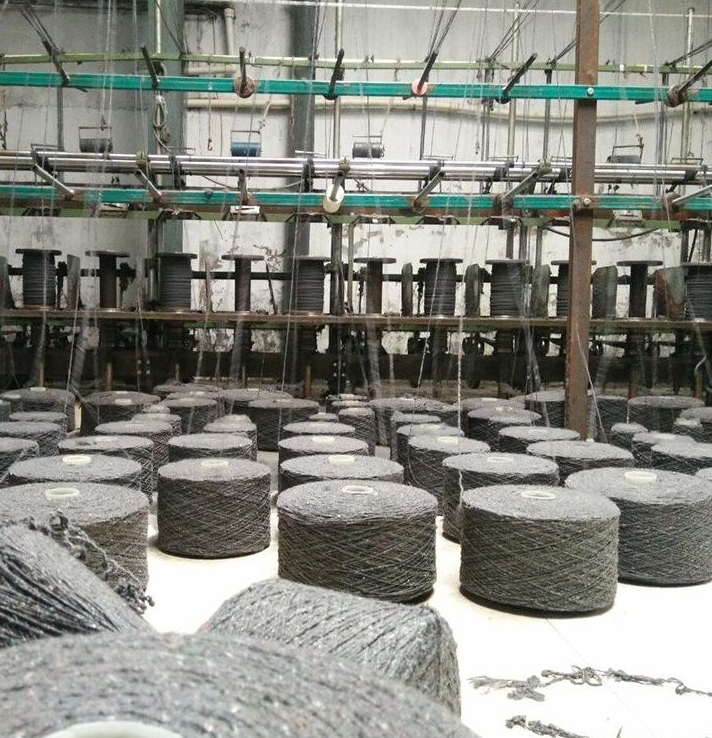
Material: cotton
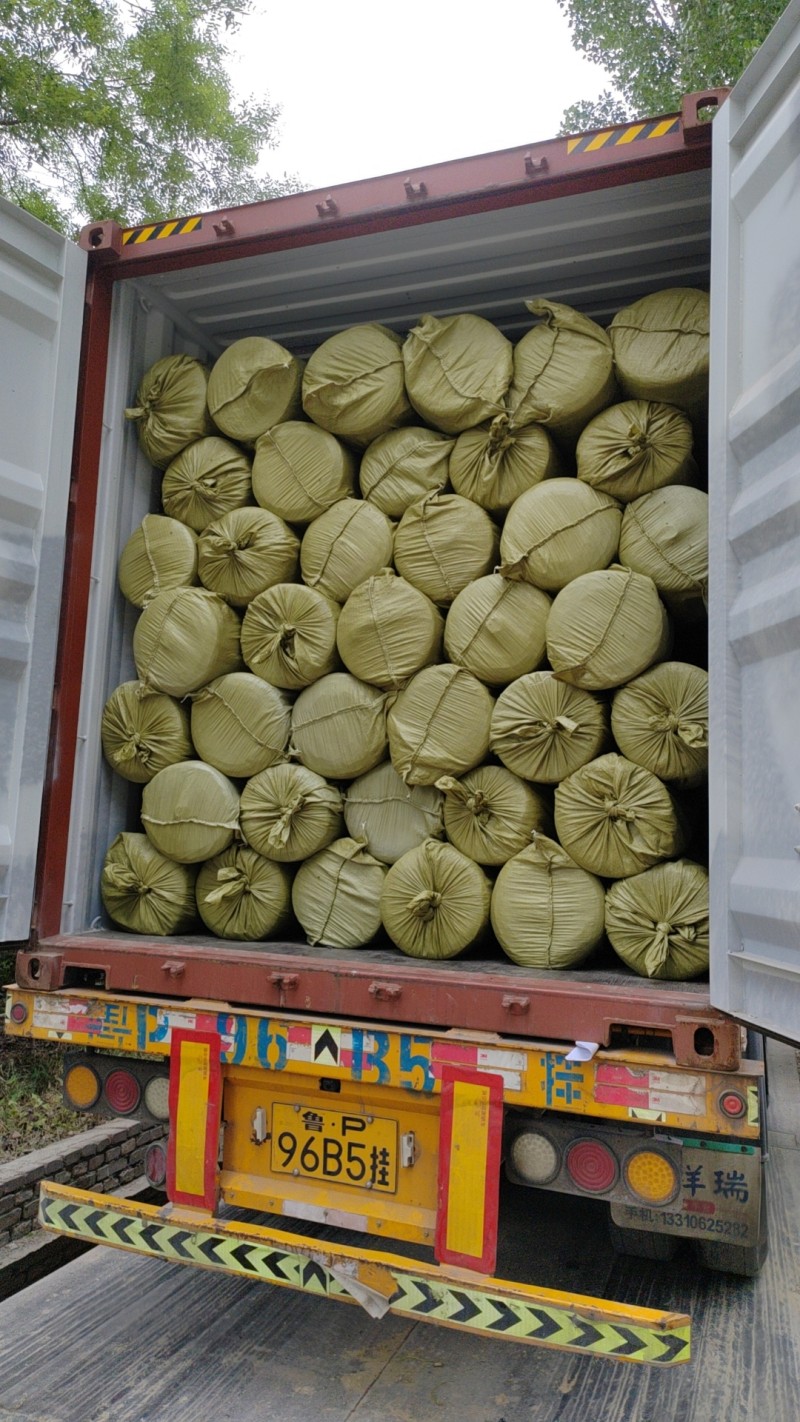
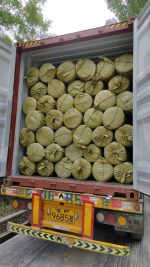
Weight: 37~40kg/bundle
Packaging: waterproof packaging bag
Why Centrifugal pipe pile anti-leakage rope is Essential?
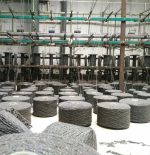
During pipe pile production, concrete mixture is poured into the lower steel mold half. The upper mold half is then positioned, and the assembly undergoes high-speed centrifugal spinning.
Sealing Mechanism:
Mold joint sealing centrifugal pipe pile anti-leakage rope is placed in the dovetail groove of the lower mold. When the upper mold closes, its protruding dovetail compresses the rope against the lower groove, forming a sealed contact. This prevents slurry leakage during centrifugation, ensuring:
Elimination of honeycombing defects in pile concrete
Prevention of product rejection due to leakage-induced voids
Nine Key Advantages of Mold Joint Sealing Rope:
- Superior Flexibility: Prevents steel mold deformation during grout sealing
- High Cotton Content: Ensures exceptional water absorbency
- Non-degradable Storage: Resists rotting and deterioration
- Optimal Diameter Precision: Critical performance factor (most significant advantage)
- Consistent Taper Profile: Uniform thickness from end to end
- Low Moisture Content: Higher cost efficiency per unit weight
- Customizable Sizing: Tailored to mold groove dimensions for >95% leak prevention
- Controlled Elasticity: Maintains dimensional stability for secure mold joint fixation
- Engineered Tensile Strength: Balanced load-bearing capacity
Preventive Measures for Slurry Leakage:
1.Timely identification and maintenance of issues such as mold deformation and centrifuge instability.
2.Strict control over mold cleaning and maintenance.
3.Strict control of dovetail joint cleaning and smooth mold-covering operations during mold closure.
4.Strict enforcement of symmetrical tightening procedures during mold assembly.
5.Rigorous inspection to prevent missing bolts for mold fastening.
6.Timely adjustment and control of concrete formulation.
7.Strict quality control in the production, dimensions, and geometry of end-plate sleeve skirts.
Selection of appropriate sealing materials for mold dovetail joints