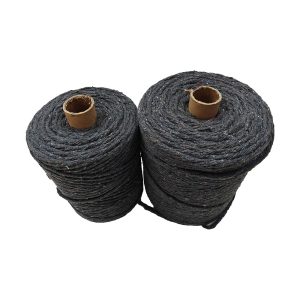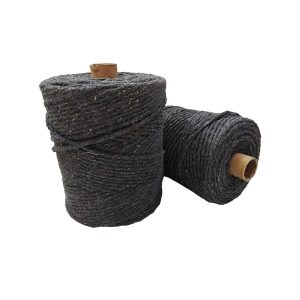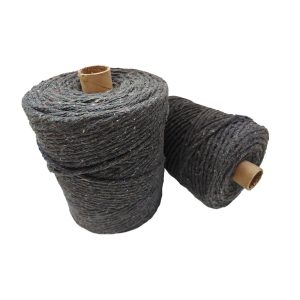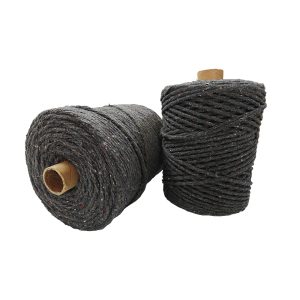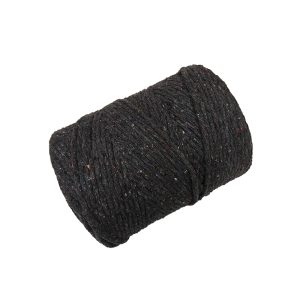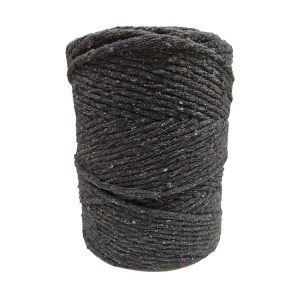
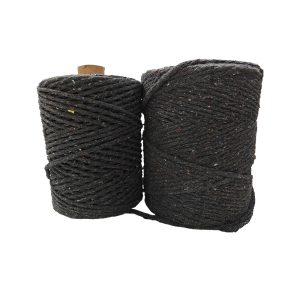
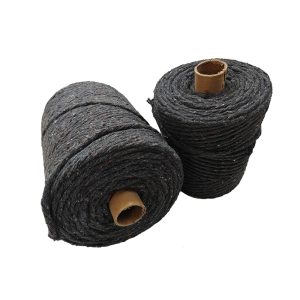
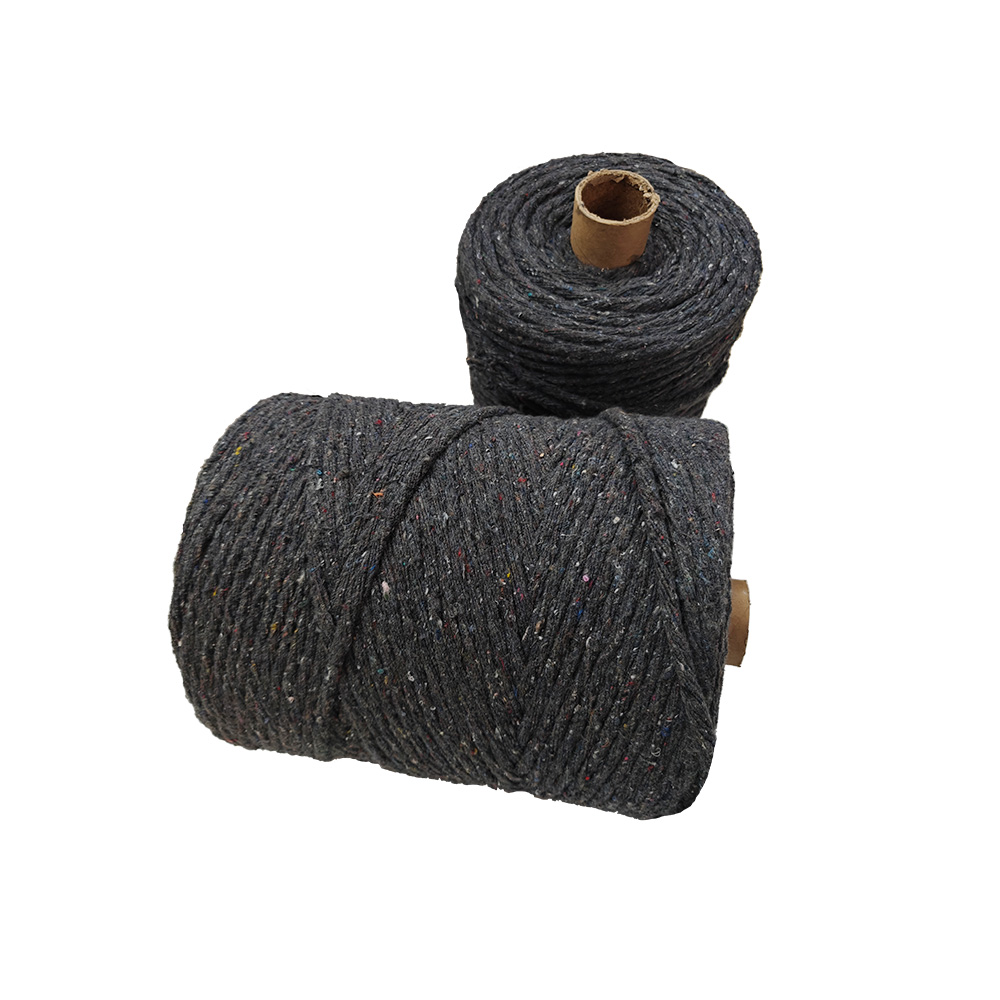
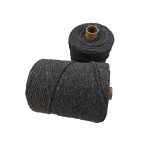
Centrifugal Pole Sealing Rope | High Efficiency | Tensile resistance
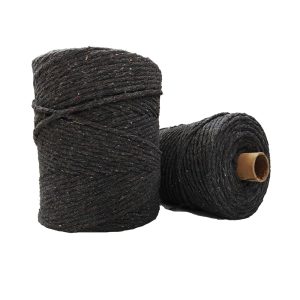
The centrifugal pole sealing rope is mainly used to prevent the mold from leaking slurry.
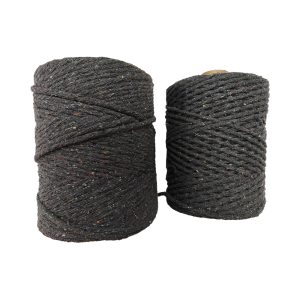
Spec: 6/8mm
Color: black
Material: cotton
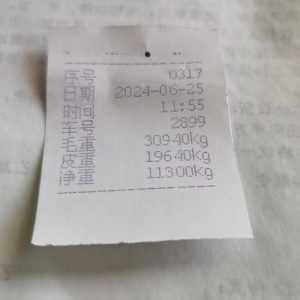
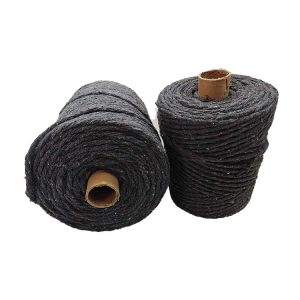
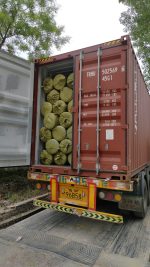
Weight: 37~40kg/bundle
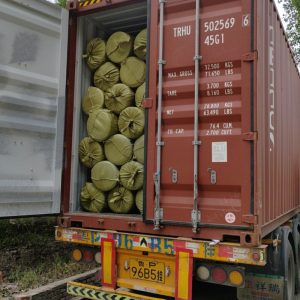
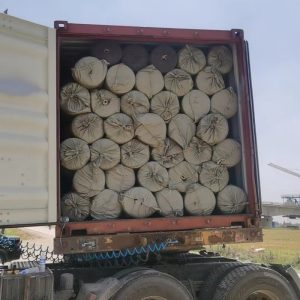
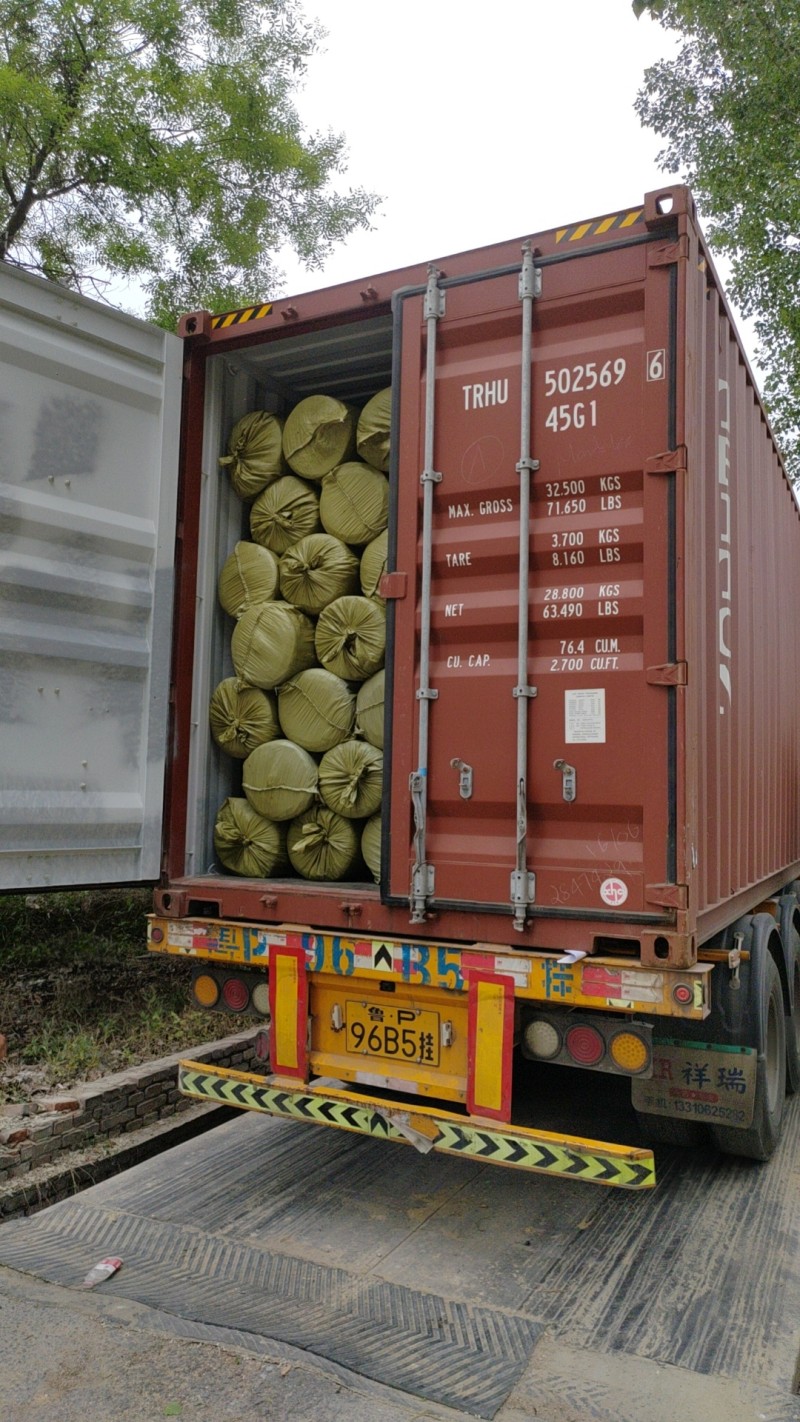
Packaging: waterproof packaging bag
Rope for spun piles Function:
1. Centrifugal pole sealing rope primarily prevents slurry from leaking out of the mold.
2. How to Use spun piles rope:
Prevent the mold opening, then close the mold, pressing the cotton rope between the upper and lower mold openings.
3. Specifications:
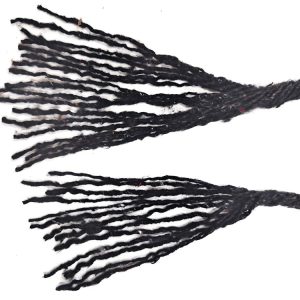
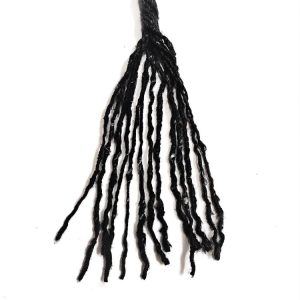
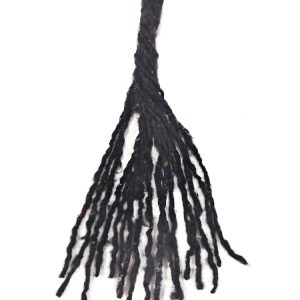
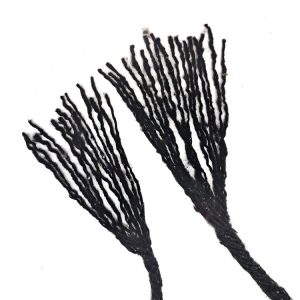
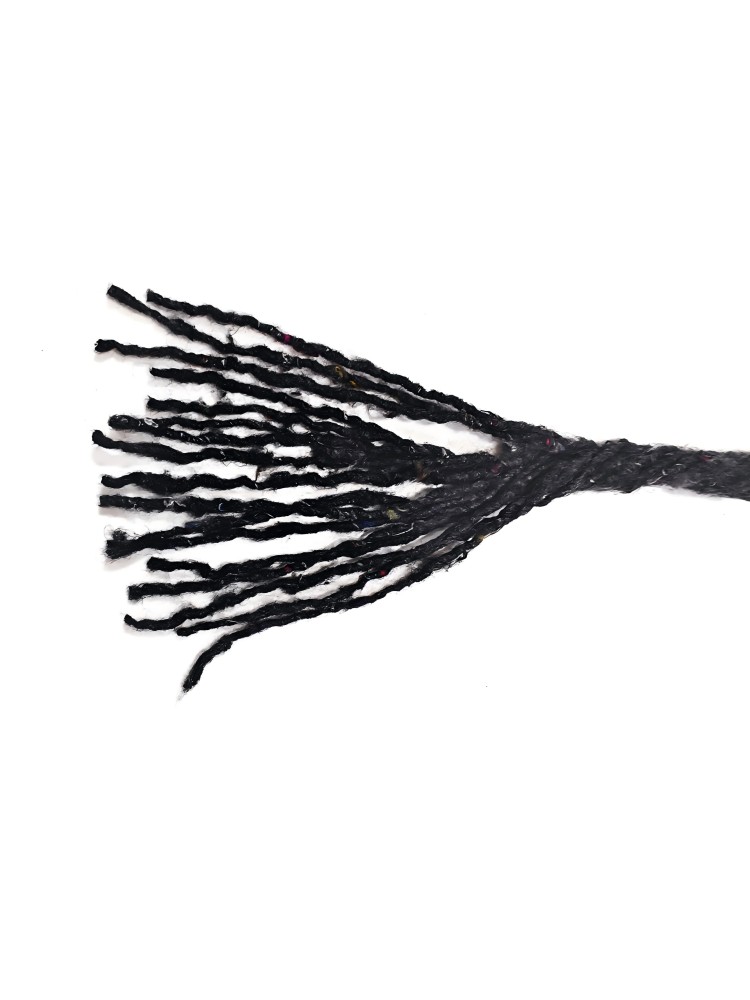
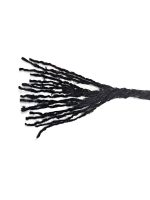
Centrifugal Pole Sealing Rope comes in different thicknesses, with 13 and 17 strands.
Nine Key Advantages of Sealing Rope:
- Superior Flexibility: Prevents steel mold deformation during grout sealing
- High Cotton Content: Ensures exceptional water absorbency
- Non-degradable Storage: Resists rotting and deterioration
- Optimal Diameter Precision: Critical performance factor (most significant advantage)
- Consistent Taper Profile: Uniform thickness from end to end
- Low Moisture Content: Higher cost efficiency per unit weight
- Customizable Sizing: Tailored to mold groove dimensions for >95% leak prevention
- Controlled Elasticity: Maintains dimensional stability for secure mold joint fixation
- Engineered Tensile Strength: Balanced load-bearing capacity
Quality Differentiation Factors for Centrifugal Pole Sealing Rope:
Optimal Diameter
(The primary determinant of slurry leakage. Functionally acceptable if leakage-free.)
Moisture Content
(Higher moisture increases mass per unit volume, reducing manufacturer costs. Minimal impact on leakage.)
Diameter Uniformity
Cotton Content
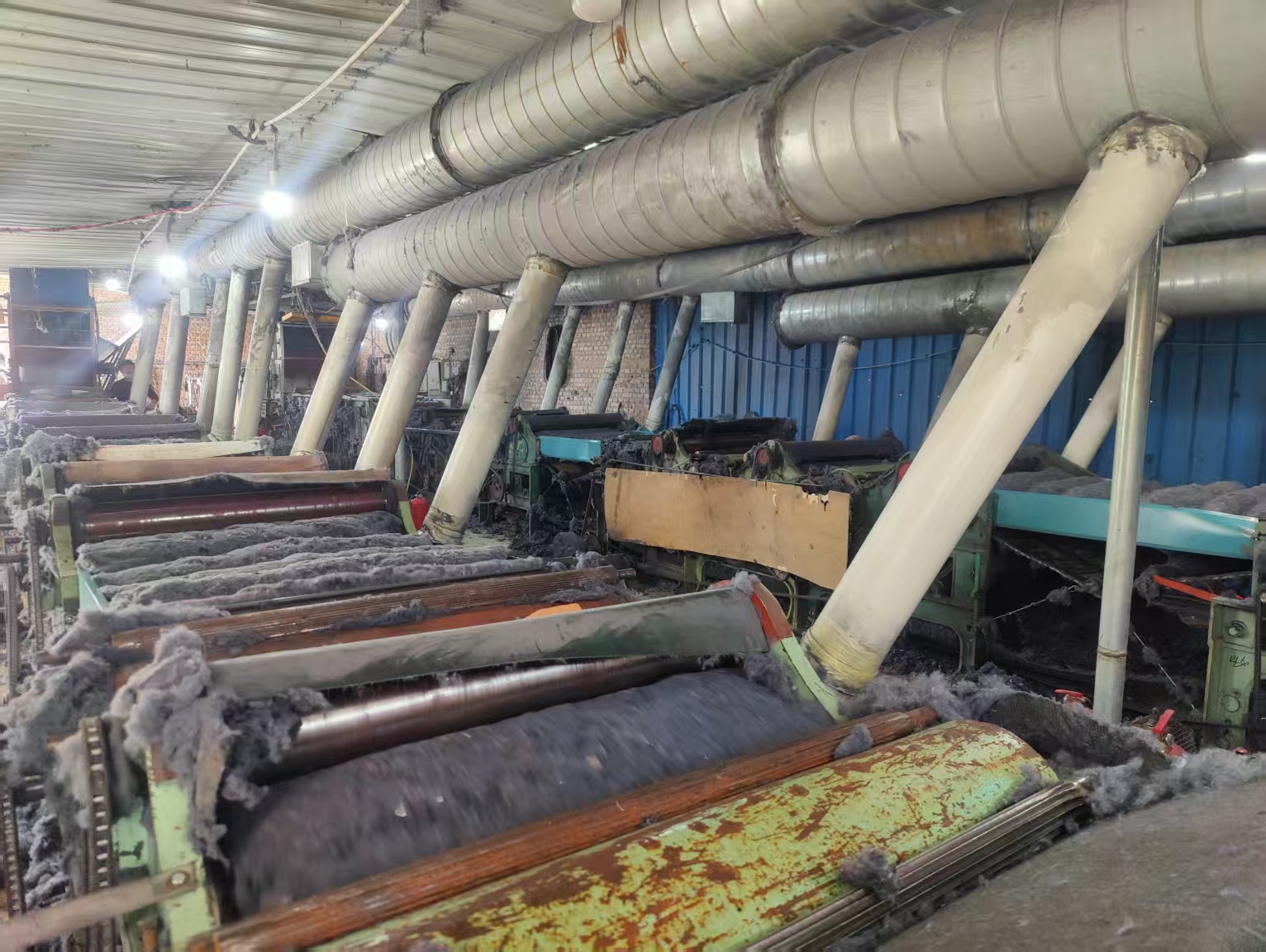
High-cotton ropes (e.g., denim fabric): Higher density → 20,000-30,000 meters per metric ton
Low-cotton ropes (e.g., suit fabric): Lower density → 40,000-50,000 meters per metric ton
(Both exhibit comparable leakage prevention performance. Cost differences derive solely from material pricing.)
Manufacturing Defects (Rare)
(Inconsistent strand count between proximal (thicker) and distal (thinner) sections may cause localized leakage. Rarely the root cause.)
Centrifugal Pole Rope advantages:
Uniform thickness, high tensile strength, and effective sealing.
Operational Note: Cotton ropes must be stretched taut at both ends over the mold joint during use. Straw ropes either snap when tightened or detach if loosely fitted. Workers often instinctively reposition detached straw ropes by hand – an action invisible to crane operators, leading to finger crush injuries.
Space-efficient and safe storage.
*Comparative Data: 500,000 meters of cotton rope occupies the same storage space as 250,000 meters of straw rope. Straw rope requires dry storage (fire hazard) yet rots in damp conditions. Cotton rope is fire-resistant, rot-proof, and maintains a 3-year shelf life.*
Lower actual cost than straw rope.
Cost Analysis: Straw rope incurs material waste, labor inefficiency, high defect rates, and rework time – all contributing to higher operational costs.