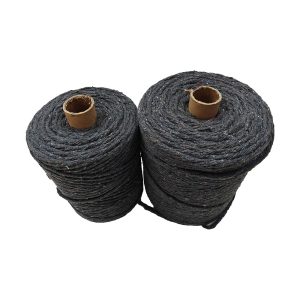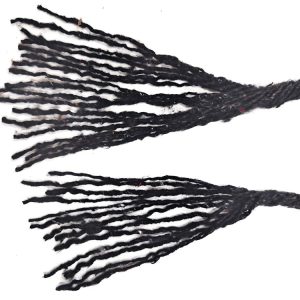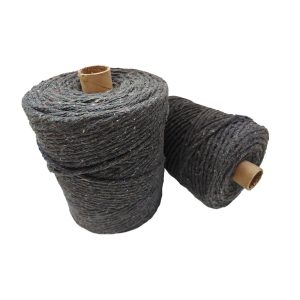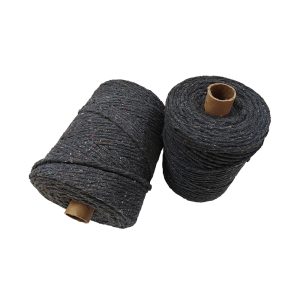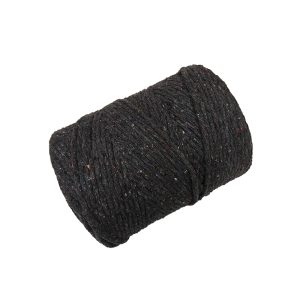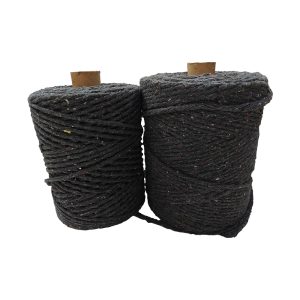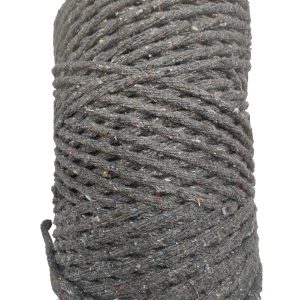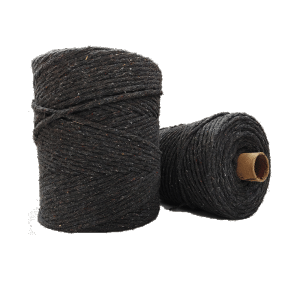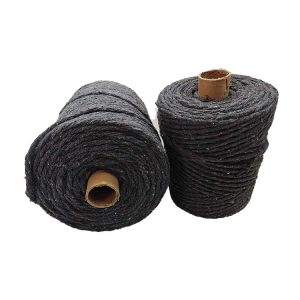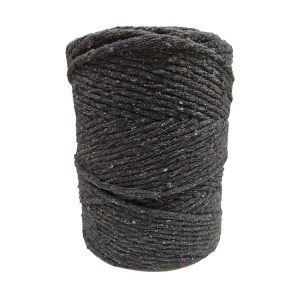
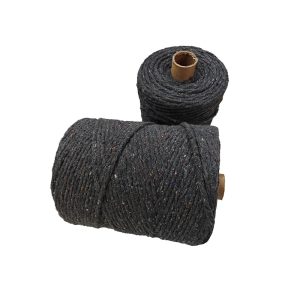
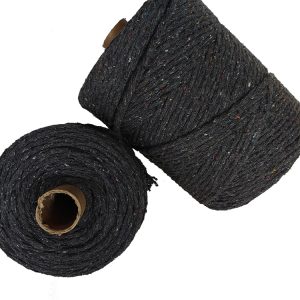
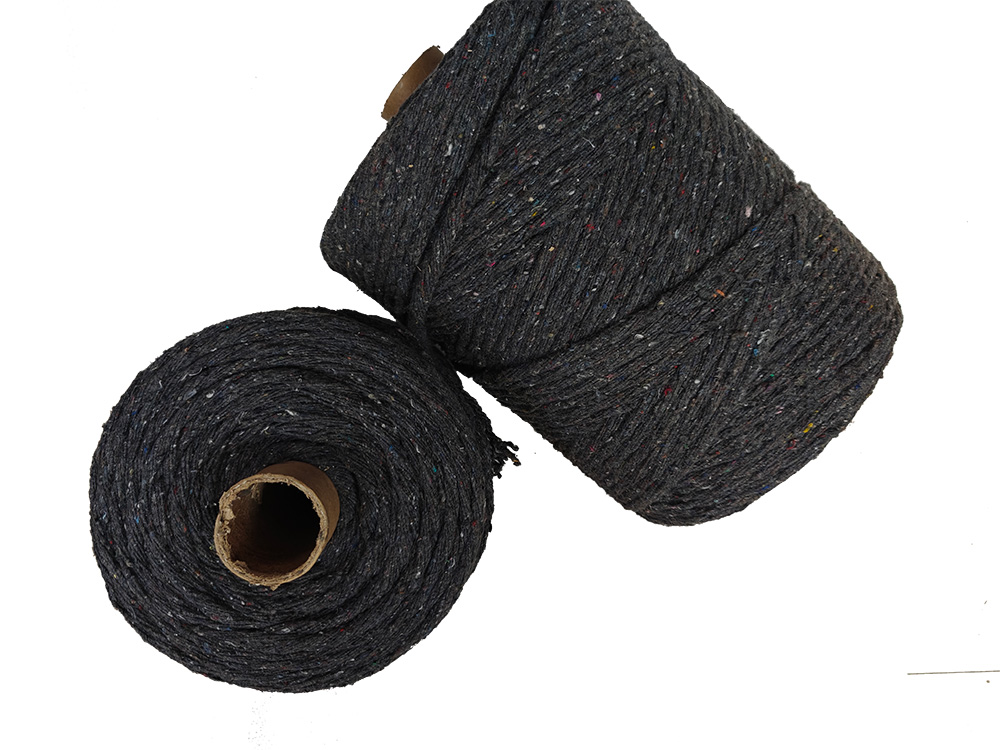
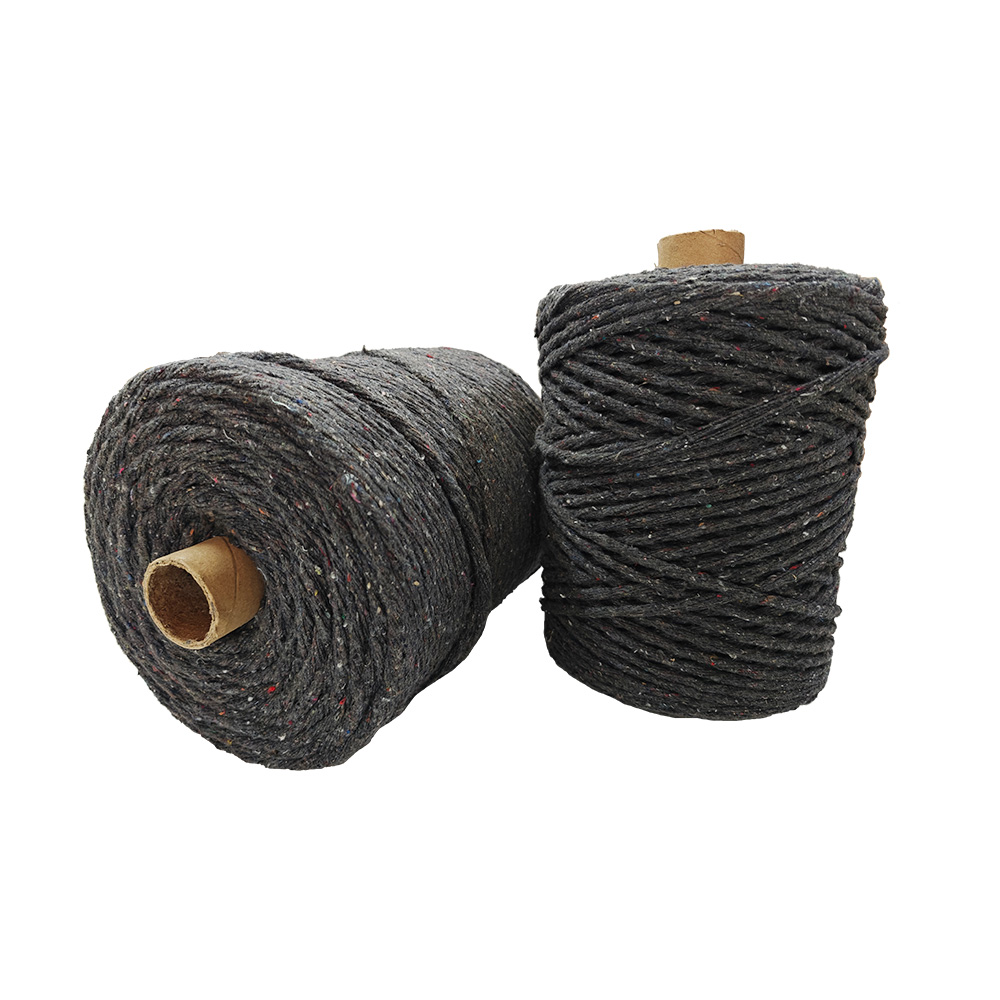
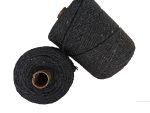
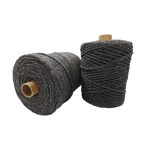
Mold Joint Sealing Rope | Anti-Grout Leakage | Industrial Grade
The mold joint sealing rope is mainly used to prevent the mold from leaking slurry.
Spec: 6\8mm
Color: black
Material: cotton
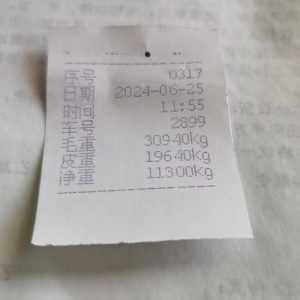
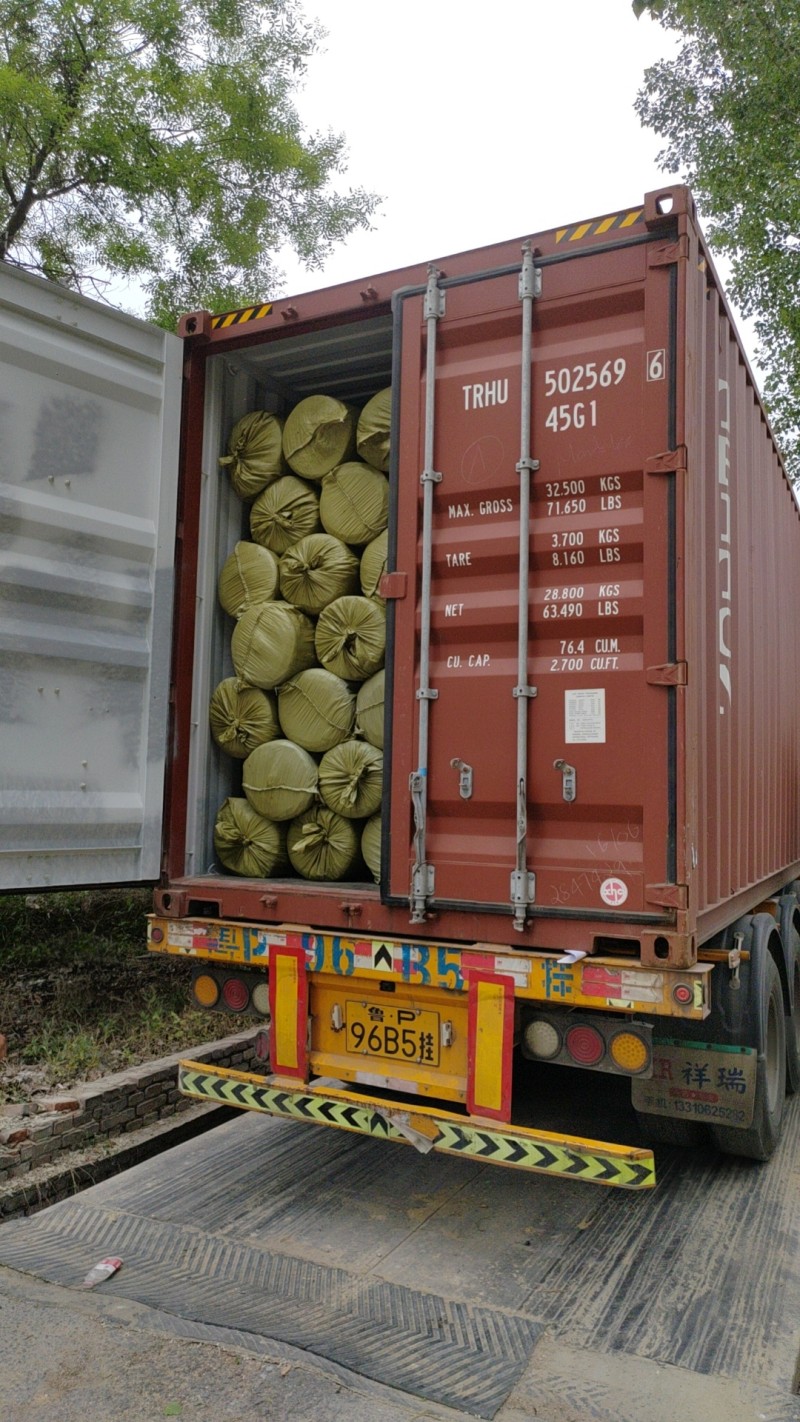
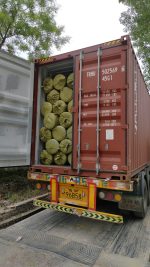
Weight: 37~40kg/bundle
Packaging: waterproof packaging bag
Background Of Mold Joint Sealing Rope:
Leakage of slurry is a relatively common phenomenon during the production of centrifugally formed cement components such as concrete pipe piles, centrifugal square piles, and centrifugally spun concrete poles. This issue not only affects the product’s appearance and quality but also directly impacts the construction process and the durability of the product, posing safety risks.
Selecting appropriate sealing materials can effectively reduce grout leakage.
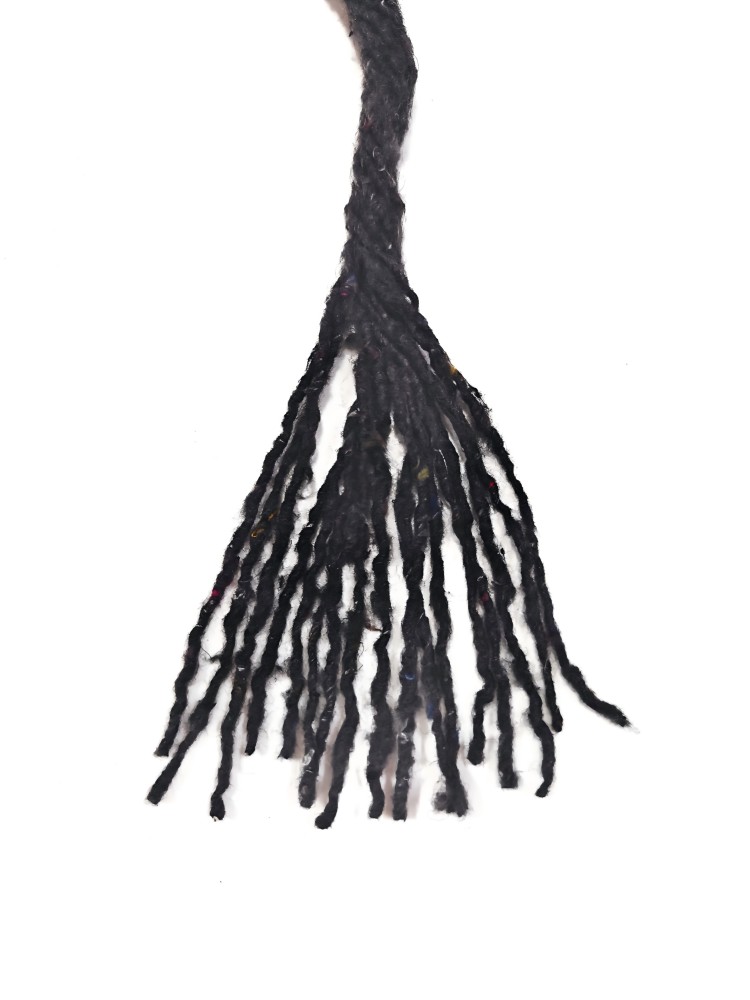
Suitable sealing materials should have uniform thickness, moderate elasticity (if the elasticity is too large, the rope will become thinner when it is tightened; if there is no elasticity, the rope will not be easy to fix at the mold mouth), moderate softness, and moderate tensile strength.
Function:
1. Mold Joint Sealing Rope primarily prevents slurry from leaking out of the mold.
2. How to Use Mold Joint Sealing Rope:
Prevent the mold opening, then close the mold, pressing the cotton rope between the upper and lower mold openings.
3. Specifications:
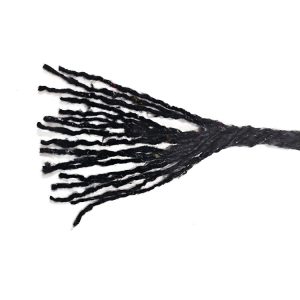
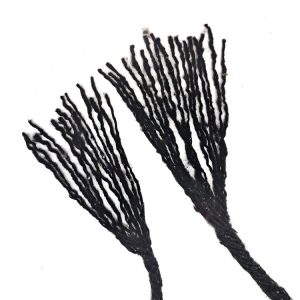
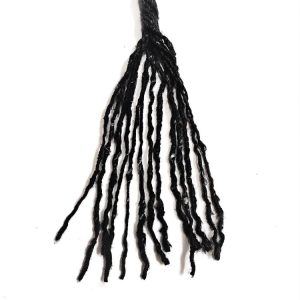
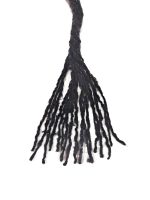
Sealing rope comes in different thicknesses, with 13 and 17 strands.
Advantage:
- Low cost
- No breakage, no waste
- High efficiency
- Uniform coarseness and fineness
- Low water content
- Strong water absorption
- No pulp leakage
- Coarse and fine can be customized
- Good flexibility, can prevent steel mold deformation
- Moderate elasticity
- No waste
- Easy to store
- Non-rotting
- Non-flammable
- Easy to fix
Causes of Slurry Leakage:
Severe Mold Deformation
Deformation under prestressed conditions: Repeated handling and hoisting inevitably cause cumulative distortion.
Inadequate Mold Joint Cleaning
Failure to remove residual slurry debris from joint surfaces and dovetail grooves after feeding.
Incomplete Mold Fastening
Missing/damaged closure bolts not replaced; insufficient bolt installation.
Suboptimal Seal Material Selection
Ideal seals require: soft texture, uniform diameter, high absorbency, moderate tensile strength, and minimal elasticity (excessive elasticity causes detachment and diameter reduction).
Improper Seal Rope Installation
Slack placement without tensioning
Inconsistent positioning (partially inside/outside joint)
Entrapment within pile body
Air pressure dislodgement during mold closure
Result: Not only fails to prevent leakage but exacerbates slurry loss.