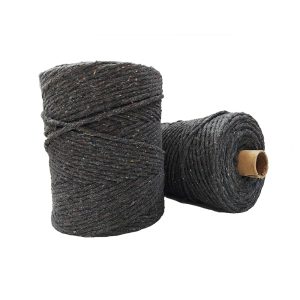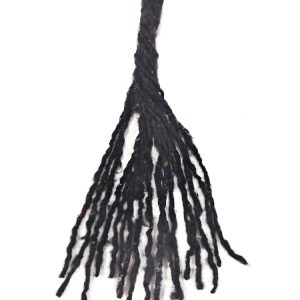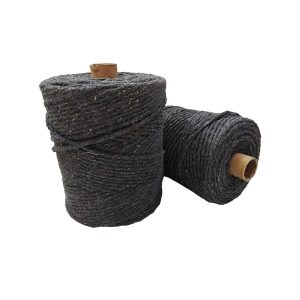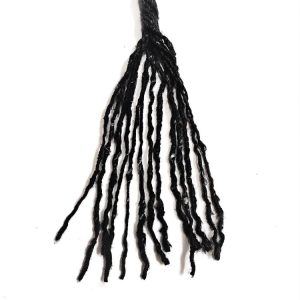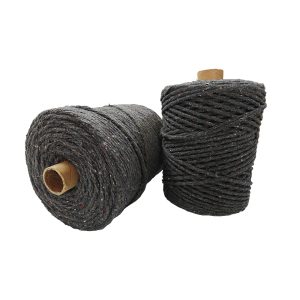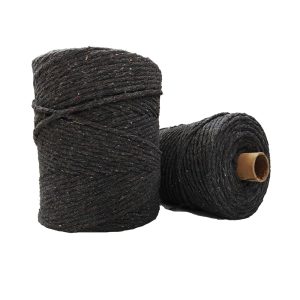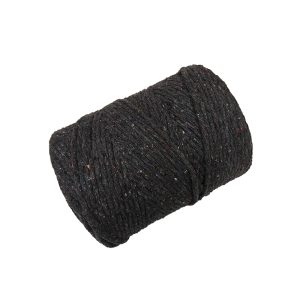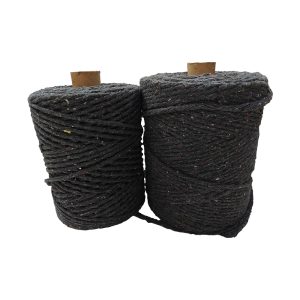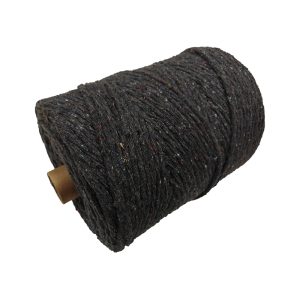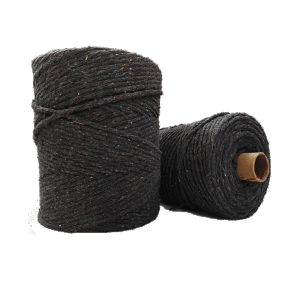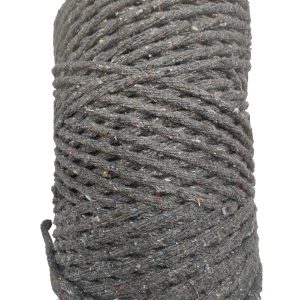
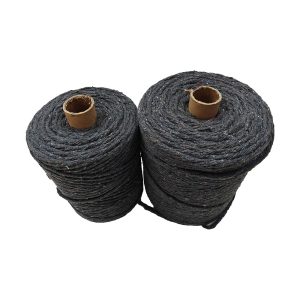
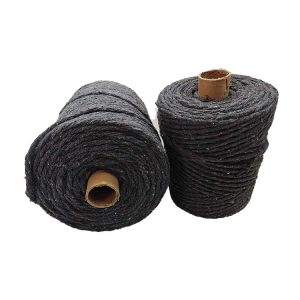
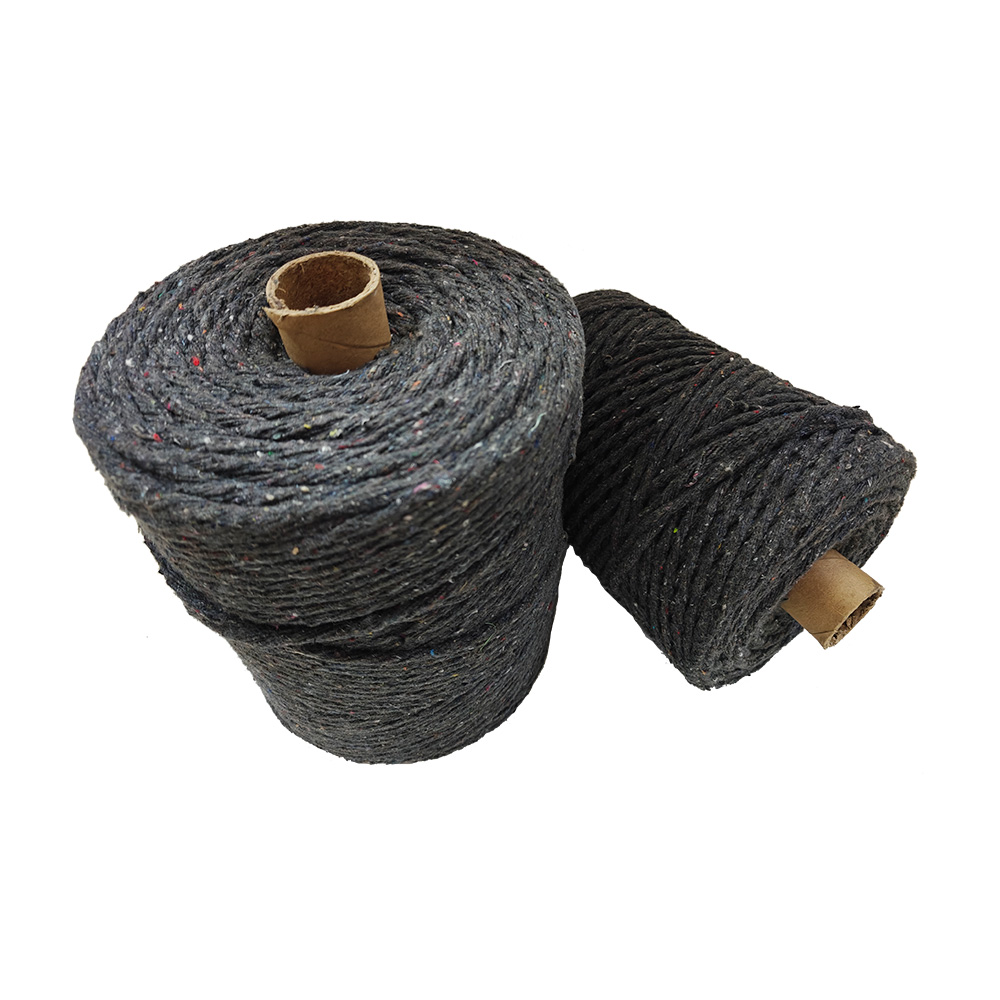
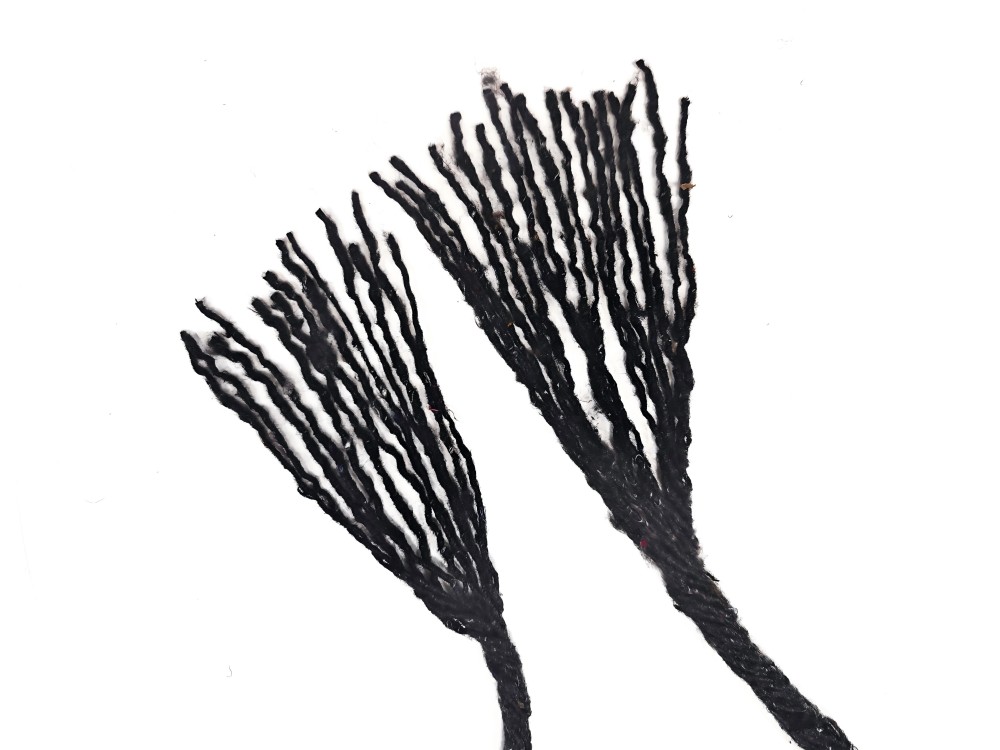
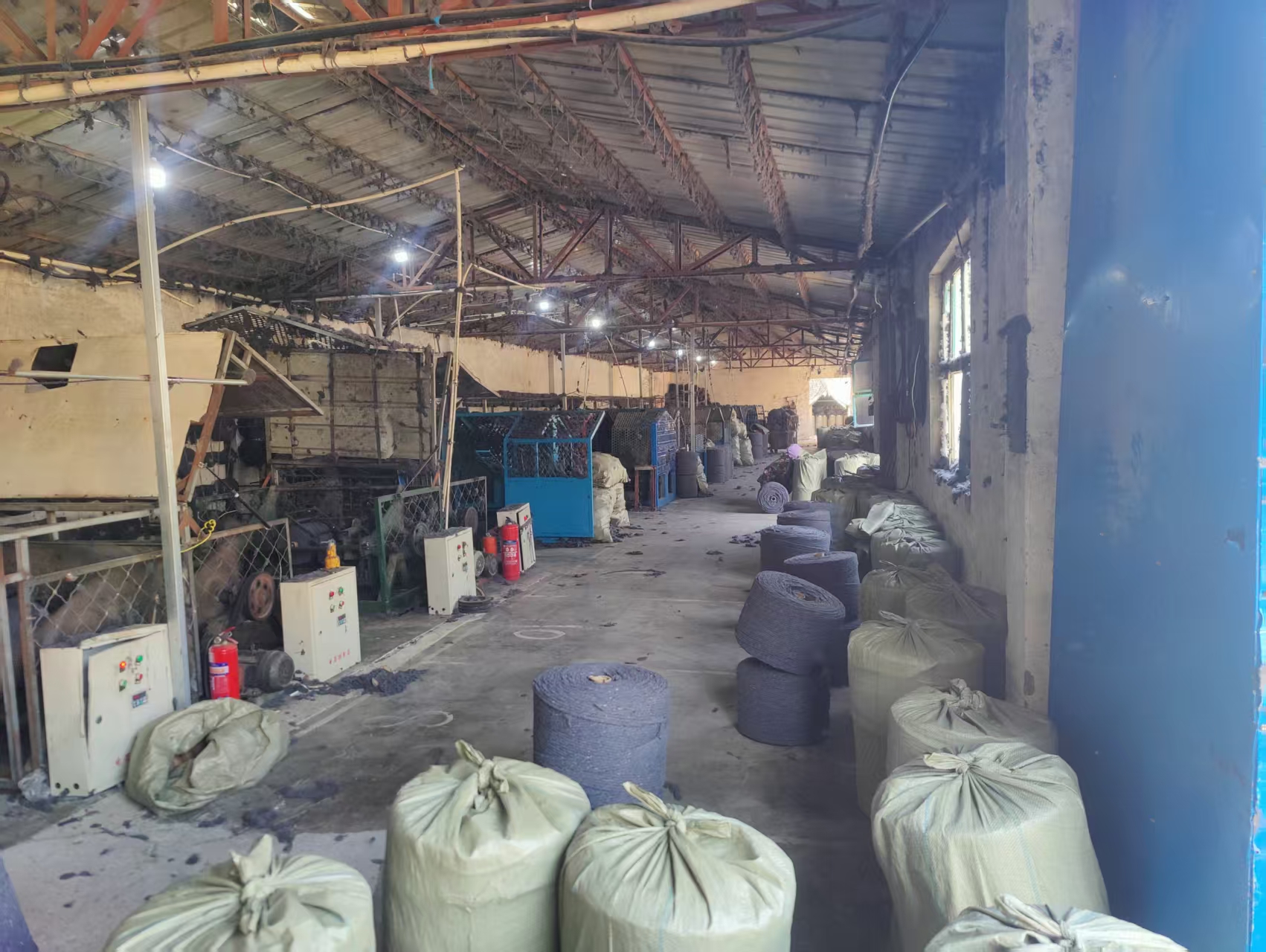
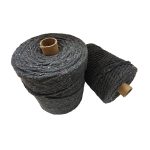
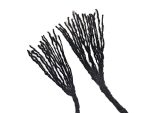
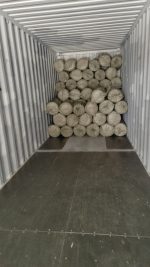
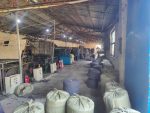
Cement pole anti-leak rope | Anti-bleeding | Wear-resistant
The cement pole anti-leak rope is mainly used to prevent the mold from leaking slurry.
Spec: 6/8mm
Color: black
Material: cotton
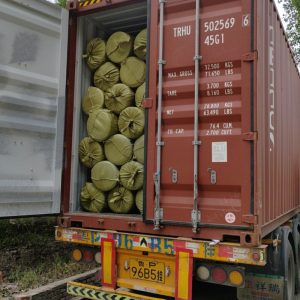
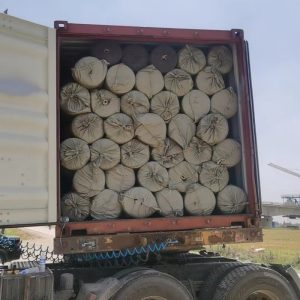
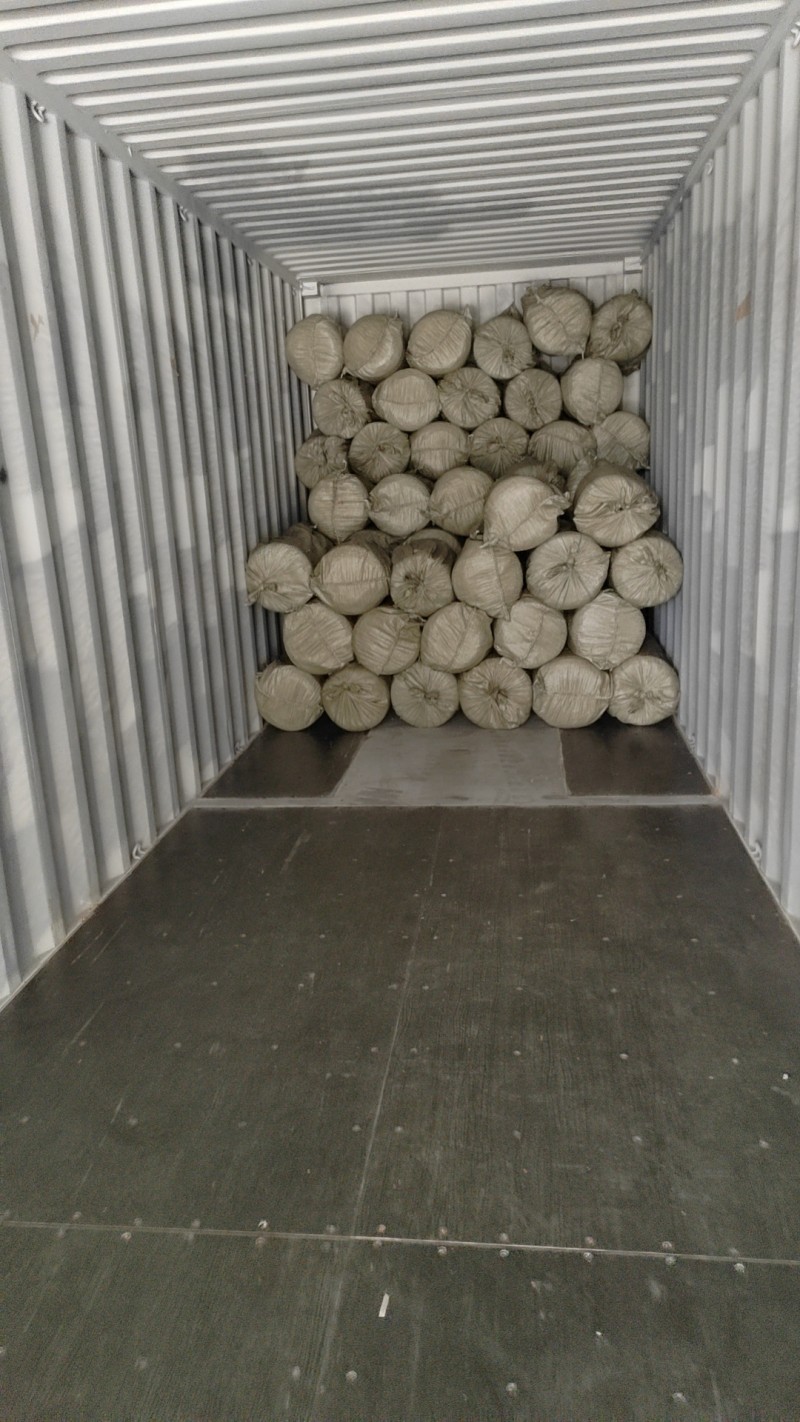
Weight: 37~40kg/bundle
Packaging: waterproof packaging bag
What kind of cement pole anti-leak rope is needed?
Suitable sealing materials should have uniform thickness, moderate elasticity (if the elasticity is too large, the rope will become thinner when it is tightened; if there is no elasticity, the rope will not be easy to fix at the mold mouth), moderate softness, and moderate tensile strength.
Function:
1. Cement pole anti-leak rope primarily prevents slurry from leaking out of the mold.
2. How to Use anti-leak rope:
Prevent the mold opening, then close the mold, pressing the cotton rope between the upper and lower mold openings.
3. Specifications:
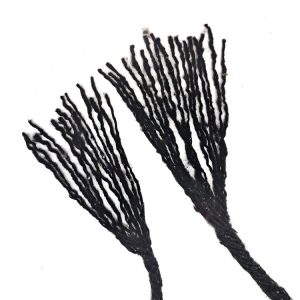
Sealing rope comes in different thicknesses, with 13 and 17 strands.
Advantages of cement pole anti-leak rope:
- Low cost
- No breakage, no waste
- High efficiency
- Uniform coarseness and fineness
- Low water content
- Strong water absorption
- No pulp leakage
- Coarse and fine can be customized
- Good flexibility, can prevent steel mold deformation
- Moderate elasticity
- No waste
- Easy to store
- Non-rotting
- Non-flammable
- Easy to fix
Causes of Slurry Leakage at Pile Body Seams:
A. Steel mold deformation, resulting in gaps at the upper/lower mold dovetail joints that cannot be fully closed by external force.
B. Incomplete cleaning of residue from the upper/lower mold dovetail joints.
C. Accidental inclusion of cement slurry or spilled concrete in the dovetail joints after mold covering during feeding (when molds are open).
D. Asymmetrical sequence or direction during bolt tightening when closing the molds.
E. Missing bolts for mold closure.
F. Mold bouncing during centrifugation due to centrifuge or mold issues.
G. Concrete bleeding characteristics.
Causes of Slurry Leakage at the Joint Between Pile Sleeve and Pile Body:
A. Incomplete cleaning around the end-plate sleeve area of the upper/lower mold cylinders.
B. Deformation of the outer diameter of the end-plate sleeve skirt, creating gaps with the mold.
C. Non-standard D2 dimension (bell mouth) of the end-plate sleeve skirt.